
Dying for Work in Massachusetts: Loss of Life & Limb in Massachusetts Workplaces
Dying for Work 2026 is MassCOSH and the Massachusetts AFL-CIO’s annual Workers’ Memorial Day report documenting 59 work-related injury deaths in Massachusetts in 2025—a 22.9% increase from 2024—and connecting those losses to weakened federal enforcement, climate-driven hazards, immigration retaliation, and specific policy fixes. The 76-page booklet is both a memorial record and an advocacy roadmap spanning construction accountability, transportation safety, maritime labor abuse, heat standards, and 2026 State House priorities.
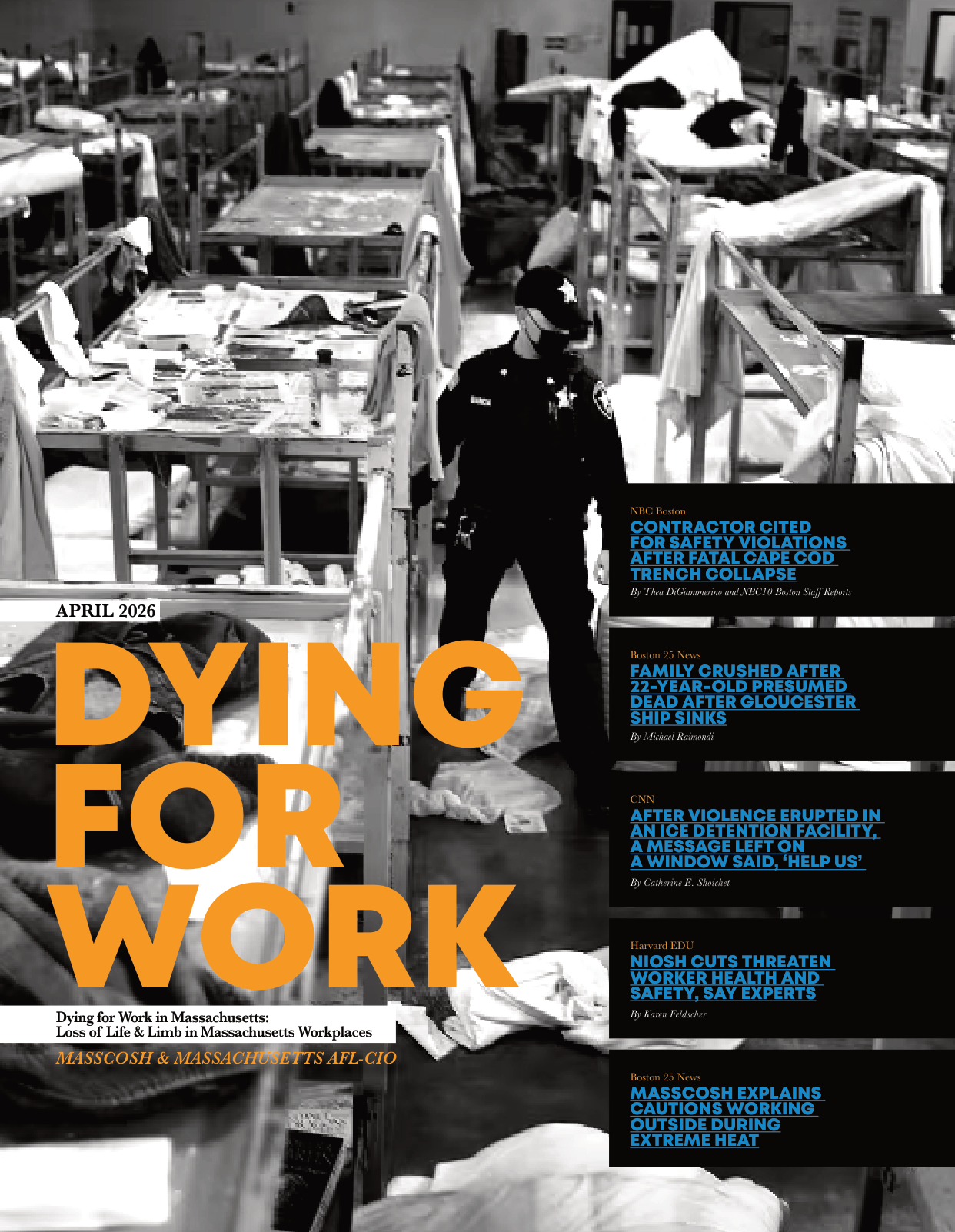
Dying for Work in Massachusetts: Loss of Life & Limb in Massachusetts Workplaces
Published April 2026 for Workers’ Memorial Day (April 28), Dying for Work in Massachusetts: Loss of Life & Limb in Massachusetts Workplaces is MassCOSH’s flagship accountability publication, co-branded with the Massachusetts AFL-CIO. It opens with a collage of real headlines—Cape Cod trench collapse, Gloucester fishing vessel loss, ICE detention violence, extreme-heat warnings, NIOSH funding cuts—signaling that worker safety is intertwined with immigration policy, climate, and federal austerity.
The booklet is organized in four parts plus memorial and resource sections, blending data tables, victim profiles, executive messages, policy briefs, and calls to action. It is explicitly political: not a neutral statistical digest, but a labor-movement document arguing that preventable deaths reflect policy choices about enforcement, contracting, and whose labor is treated as expendable.
Part I — The year we lost more workers
After a Governor Healey Workers’ Memorial Day proclamation and AFL-CIO “Hold the Line for Safe Jobs” framing (OSHA/NIOSH at 55 years, under attack), the introduction states the moral baseline: every worker deserves to come home alive.
The numbers section is the emotional and analytical anchor. MassCOSH’s tracker documents 59 injury deaths in 2025, emphasizing that official counts understate occupational illness, heat harm, suicide, and overdose tied to work stress and exploitation. Leadership messages from Chrissy Lynch (Mass AFL-CIO), Darlene Lombos (Greater Boston Labor Council), and Tatiana Begault (MassCOSH) connect remembrance to demands: expand OSHA coverage, strengthen penalties, protect OHSP surveillance, and resist corporate rollbacks.
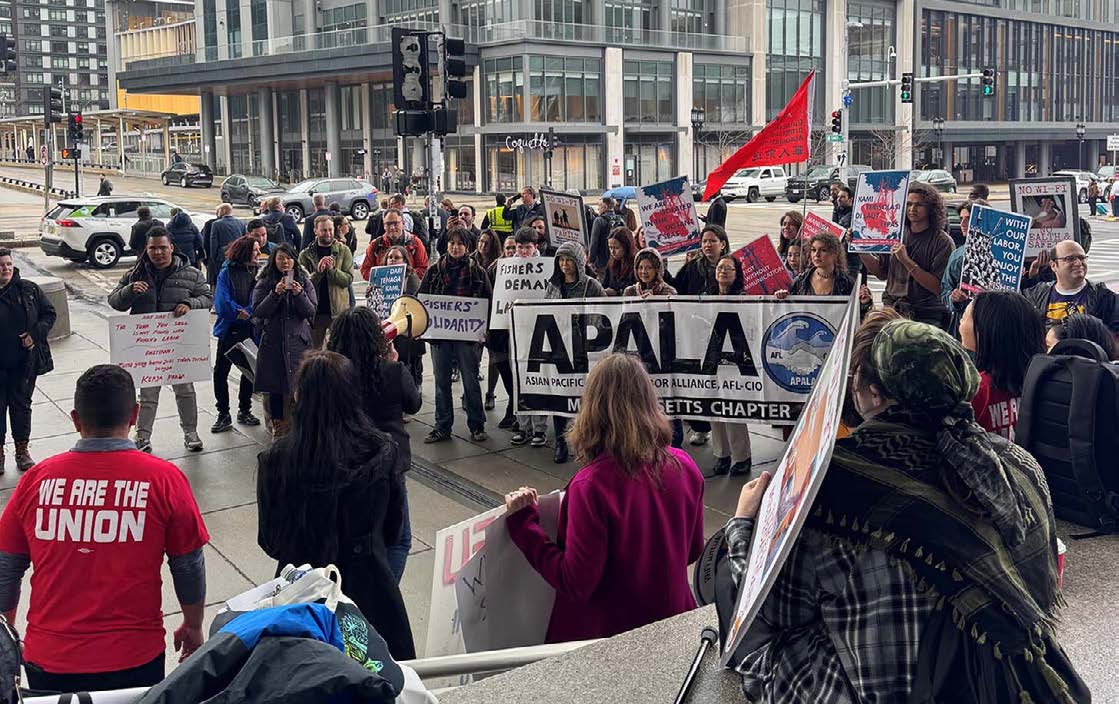
A substantial early narrative covers Global Labor Justice advocacy at Seafood Expo North America, featuring Indonesian fisher Masduki Priyono’s testimony on forced labor, withheld pay, brutal conditions, and the absence of shipboard Wi-Fi as a tool of isolation. MassCOSH ties maritime exploitation abroad to Massachusetts fishing losses (e.g., the Lily Jean sinking off Gloucester). This international thread distinguishes the report from a state-only fatality tally.
Part II — How people died (fatality profiles that drive policy)
Part II translates deaths into sector-specific prevention agendas:
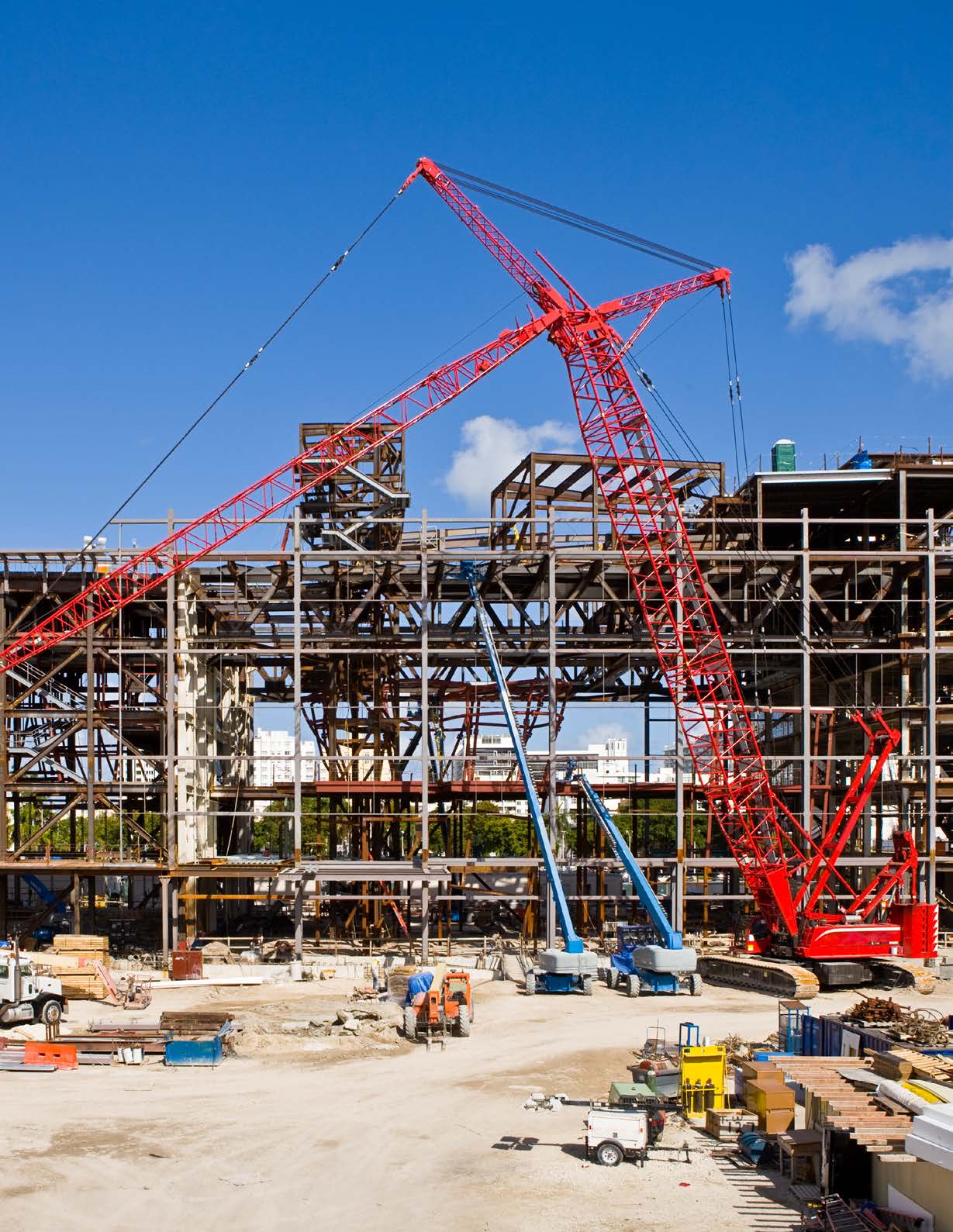
Construction (24 deaths) dominates. Key findings stress predictable hazards—falls from roofs/scaffolds, trench collapses, electrocutions, struck-by events, heat on outdoor jobs—and structural vulnerabilities: subcontracting chains, low-bid competition, language barriers, and nonunion sites. The report argues penalties after death are not prevention; OSHA’s existing standards on training, competent-person trench inspection, and understandable instruction are already clear. National context: 1,034 construction fatalities nationwide in 2024; 370 fatal falls in construction/extraction occupations.
Transportation (20 deaths) is framed as an explicit policy failure, not bad luck. Roadside/work-zone exposure, commercial hauling, waste/recycling, and marine transport cluster together; four workers died in work-zone settings in 2025 alone. Recommendations include stronger traffic-control planning, multilingual training, pre-task briefings, and tying public contracts to safety performance.
Additional Part II suites cover struck-by/caught-in demographics, silica and chronic occupational disease, a workers’ justice review (injured and targeted workers, not “broken” ones), and MassCOSH at 50—positioning the organization’s half-century of advocacy within current threats.
Part III — Force multipliers
This section asks why known hazards keep killing workers:
- Public dollars, public duty: a detailed accountability brief on Revoli Construction, linking decades of OSHA citations to the 2025 Yarmouth trench death of Miguel Alexandre Reis and arguing municipalities must use responsible-bidder laws, prequalification, and debarment—not lowest-price awards.
- Extreme weather and heat: climate data, projected additional 90°F+ days by 2050, and demands for enforceable standards (water, shade, paid recovery breaks, acclimatization, surveillance). Bills named include S.1355 and H.2172.
- Opioids and worker safety: connects workplace substance-use deaths to broader public-health and job-stress contexts.
- Immigration enforcement: documents how fear of deportation suppresses hazard reporting, undermining safety for all workers; cites DHS/DOL retaliation protections while noting current policy reversals.
- Worker voice and young workers: emphasizes union bargaining and youth training (TL@W, school conditions) as safety infrastructure.
Part IV — Legislative priorities and action plan
The closing policy section presents a 2026 Vulnerabilities Watchlist and a phased action plan: track bills, center frontline testimony, support coalition advocacy, and build implementation/enforcement capacity. Priority table rows cover OHSP funding, heat protection alignment, climate resilience, rural/farm/fishery workers, responsible contracting, and immigrant/temporary/youth worker safeguards.
The report ends with In Memoriam pages, Embrace Pathways for families after workplace tragedy, acknowledgements, and a membership call to join MassCOSH’s advocacy.

帮助我们有所作为
您的支持助推器 培训, 宣传,以及 组织 这样工人就可以安全回家。

